
Procurement is no longer just about purchasing goods and services at the lowest possible price. For most businesses, procurement decisions affect profitability, cash flow, supplier relationships, operational efficiency, and long-term growth. Yet many organizations still struggle to understand exactly where their money is going.
A business may have hundreds or thousands of purchase transactions spread across multiple departments, suppliers, locations, and categories. Without a clear view of this spending, procurement teams can easily miss opportunities to reduce costs. Duplicate purchases, unmanaged suppliers, inconsistent pricing, contract leakage, and unnecessary spending can quietly increase procurement expenses over time.
This is where spend analysis becomes valuable.
Spend analysis gives businesses a structured way to collect, clean, categorize, and evaluate procurement data. It helps decision-makers understand what they are buying, who they are buying from, how much they are spending, and where cost-saving opportunities exist.
When used effectively, spend analysis can transform procurement from a transactional function into a strategic source of savings and efficiency.
What Is Spend Analysis?
Spend analysis is the process of collecting and analyzing an organization's expenditure data to gain visibility into purchasing activities and identify opportunities for cost reduction, supplier optimization, and process improvement.
The analysis usually combines data from several sources, including:
- Purchase orders
- Supplier invoices
- Contracts
- Expense reports
- Accounts payable systems
- Procurement platforms
- Enterprise Resource Planning (ERP) systems
- Corporate credit card transactions
The goal is to create a complete and reliable picture of organizational spending.
For example, a company may discover that different departments are purchasing similar office supplies from ten different suppliers. Individually, each purchase may seem reasonable. However, when the data is analyzed collectively, the company may realize that consolidating purchases with two preferred suppliers could provide better pricing and reduce administrative costs.
Spend analysis helps businesses answer important questions such as:
- What are we buying?
- How much are we spending?
- Which suppliers receive the most money?
- Are different departments buying the same products from different vendors?
- Are we paying different prices for identical goods?
- Are purchases compliant with existing contracts?
- Which categories offer the greatest savings potential?
The answers to these questions create a stronger foundation for procurement decisions.
Why Procurement Cost Control Is Difficult?
Reducing procurement costs sounds straightforward, but the reality is more complex. Businesses often operate with fragmented purchasing processes. Different departments may have different suppliers, approval procedures, and purchasing habits.
A lack of centralized spending data creates several problems.
First, procurement teams may not have complete visibility into organizational spending. Data can be spread across multiple software systems, spreadsheets, invoices, and departments. This makes it difficult to identify total expenditure on a specific product or supplier.
Second, decentralized purchasing can lead to inconsistent pricing. One department may negotiate a favorable price with a supplier, while another department purchases the same product at a higher rate because it is unaware of the existing agreement.
Third, businesses may continue working with suppliers that no longer provide competitive pricing or adequate value simply because spending patterns are not regularly reviewed.
Finally, organizations may focus only on large purchases while ignoring smaller recurring expenses. These smaller transactions, sometimes called tail spend, can collectively represent a significant amount of unnecessary expenditure.
Spend analysis addresses these challenges by turning fragmented procurement data into actionable information.
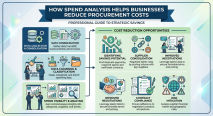
How Spend Analysis Identifies Cost-Saving Opportunities?
The biggest advantage of spend analysis is visibility. Businesses cannot effectively control spending they do not understand.
By analyzing procurement data, organizations can identify patterns that are difficult to detect through individual invoices or purchase orders.
For example, a manufacturing company may spend money with 200 suppliers in a particular category. After analyzing the data, procurement managers may discover that 80 percent of the total spending is concentrated among only 20 suppliers.
This insight creates an opportunity to renegotiate contracts, consolidate suppliers, and improve purchasing terms.
Spend analysis can uncover several important areas for savings.
1. Identifying Duplicate and Unnecessary Purchases
Duplicate purchasing is a common problem in organizations with decentralized procurement processes.
Different departments may independently purchase:
- Similar software subscriptions
- Office equipment
- Marketing services
- Raw materials
- Professional services
- Maintenance contracts
Without centralized visibility, the organization may pay multiple suppliers for products or services that could be consolidated.
Spend analysis helps identify these overlaps by grouping purchases into categories and comparing suppliers, products, and transaction histories.
For instance, a company may discover that five departments are paying for separate project management software subscriptions. A consolidated enterprise agreement could reduce licensing costs and simplify administration.
The same principle applies to physical goods. Purchasing larger volumes from fewer suppliers often creates opportunities for volume discounts.
2. Supplier Consolidation
Managing a large number of suppliers can be expensive.
Each supplier relationship may involve onboarding, contract management, invoicing, compliance checks, communication, and payment processing. Even when individual suppliers have low spending volumes, the administrative cost of managing them can be significant.
Spend analysis helps businesses identify suppliers with overlapping offerings or very low transaction volumes.
Suppose a company purchases similar IT accessories from 25 different vendors. By analyzing the total spending and supplier performance, procurement managers may decide to reduce the supplier base to five strategic vendors.
Supplier consolidation can provide several benefits:
- Better volume discounts
- Lower administrative costs
- Stronger negotiating power
- Simplified contract management
- Improved supplier relationships
- Greater control over purchasing
However, supplier consolidation should not focus only on reducing the number of vendors. Businesses should also consider supplier reliability, quality, delivery performance, and risk.
The objective is to create a more efficient and cost-effective supplier portfolio.
3. Improving Negotiating Power
Accurate spending data gives procurement management teams stronger negotiating power.
A supplier may know the value of an individual purchase order, but the buyer may not always understand the full value of the relationship across different departments or locations.
Spend analysis reveals the total amount spent with each supplier.
For example, several departments may collectively spend ₹50 lakh annually with the same supplier, even though each department manages its purchases independently. Once procurement has visibility into the combined spend, the company can negotiate based on the total purchasing volume.
This can lead to:
- Volume-based discounts
- Better payment terms
- Reduced shipping costs
- Improved service levels
- Rebates or incentives
- Long-term pricing agreements
Data changes the nature of supplier negotiations. Instead of negotiating based on assumptions, procurement professionals can use actual spending patterns and historical purchasing data.
4. Detecting Price Variations
One of the most common findings in a spend analysis is price inconsistency.
Different departments may purchase the same or similar products at different prices from the same supplier or from multiple suppliers.
For example, one business unit may pay ₹1,000 for a specific component while another pays ₹1,300. These differences may result from separate contracts, outdated pricing, poor purchasing controls, or a lack of communication.
Spend analysis makes these variations visible.
Once identified, procurement teams can standardize pricing and establish preferred supplier agreements.
Price benchmarking can also help businesses compare internal purchasing prices across departments and locations. This allows procurement managers to identify areas where spending is above expected levels.
Even small reductions in unit prices can generate substantial savings when applied to high-volume purchases.
Reducing Maverick Spending
Maverick spending occurs when employees or departments make purchases outside approved procurement processes or supplier agreements.
For example, an organization may have a contract with a preferred office supply vendor, but employees may continue purchasing similar products from other vendors because the process is more convenient or because they are unaware of the approved contract.
This creates several problems.
The company may lose negotiated discounts, reduce visibility into spending, and increase the complexity of supplier management.
Spend analysis can identify transactions that fall outside approved contracts or preferred supplier lists.
Procurement teams can then investigate the reasons behind the spending. Sometimes the issue is employee non-compliance. In other cases, the approved supplier may not be meeting operational requirements.
This distinction is important.
The purpose of spend analysis should not simply be to enforce compliance. It should also help businesses understand why employees are bypassing procurement processes and improve those processes where necessary.
Reducing maverick spending helps businesses capture negotiated savings and maintain better control over procurement costs.
Managing Tail Spend More Effectively
Tail spend refers to the large number of low-value transactions that occur across many suppliers.
Individually, these purchases may not seem important. Collectively, however, they can represent a significant percentage of total procurement spending.
Tail spend is often difficult to manage because it involves:
- Many suppliers
- Small transaction values
- Irregular purchases
- Limited contract coverage
- High administrative effort
Spend analysis helps businesses identify the size and composition of their tail spend.
Once the data is visible, procurement teams can develop strategies to reduce costs. These may include consolidating suppliers, introducing catalog-based purchasing, automating low-value purchases, or creating clearer buying policies.
For example, instead of allowing employees to purchase office supplies from dozens of vendors, a company could create an approved online catalog with negotiated prices.
This reduces the time spent processing purchases while improving cost control.
Improving Contract Compliance
Businesses often negotiate favorable supplier contracts but fail to capture the full value of those agreements.
This problem is known as contract leakage.
Contract leakage can occur when:
- Employees purchase from non-contracted suppliers
- Agreed pricing is not applied correctly
- Contract terms are not monitored
- Expired contracts continue to be used
- Departments negotiate separate agreements
Spend analysis can compare actual purchasing behavior with contract terms.
If the analysis shows that a business is paying more than the agreed contract price, procurement managers can investigate and correct the issue.
Similarly, if a significant percentage of spending occurs outside contracted suppliers, the organization can estimate the financial impact of non-compliance.
Monitoring contract compliance ensures that negotiated savings become actual savings.
Supporting Better Category Management
Spend analysis also helps procurement teams manage spending by category.
Rather than looking at thousands of individual transactions, businesses can group purchases into broader categories such as:
- Information technology
- Marketing
- Logistics
- Facilities
- Professional services
- Raw materials
- Office supplies
Category-level analysis helps procurement professionals understand where the largest expenditures occur and where strategic sourcing efforts may produce the greatest return.
For example, a company may discover that logistics spending has increased by 18 percent over the previous year. Further analysis may reveal that the increase is caused by higher shipping rates, inefficient routing, or increased use of premium delivery services.
This allows the procurement team to focus its attention on the underlying cause instead of simply attempting to reduce spending across all categories.
Category management creates a more strategic approach to procurement cost reduction.
Using Data to Improve Supplier Performance
Procurement costs are not limited to purchase prices.
A supplier offering the lowest price may create higher costs elsewhere if deliveries are late, product quality is poor, or customer service is inadequate.
Spend analysis can be combined with supplier performance data to evaluate the total value provided by each supplier.
Relevant performance indicators may include:
- On-time delivery rates
- Product quality
- Order accuracy
- Contract compliance
- Pricing consistency
- Response times
- Return rates
This broader analysis helps businesses avoid focusing only on unit prices.
For example, switching to a cheaper supplier may initially appear to reduce procurement costs. However, frequent delivery delays could cause production interruptions, emergency purchases, and additional logistics expenses.
A strong spend analysis program supports better decisions by considering both spending and supplier performance.
Creating More Accurate Procurement Budgets
Historical spending data can also improve budgeting and forecasting.
Businesses often prepare procurement budgets based on previous estimates or broad assumptions. Spend analysis provides a more detailed understanding of historical purchasing patterns.
Procurement managers can identify:
- Seasonal spending trends
- Recurring purchases
- Category-level growth
- Supplier price changes
- Unusual transactions
- Department-specific spending patterns
This information helps organizations create more realistic budgets.
For example, if a company regularly experiences increased demand for packaging materials during certain months, procurement can plan purchases in advance and negotiate better pricing.
Better forecasting also reduces the need for emergency purchases, which often involve higher prices and expedited shipping costs.
The Role of Technology in Spend Analysis
Manual spend analysis can be time-consuming, especially for large organizations with thousands or millions of transactions.
Modern procurement software and analytics platforms can automate many parts of the process.
Technology can help businesses:
- Collect data from multiple systems
- Clean and standardize supplier information
- Categorize purchases
- Identify duplicate suppliers
- Detect unusual spending patterns
- Monitor contract compliance
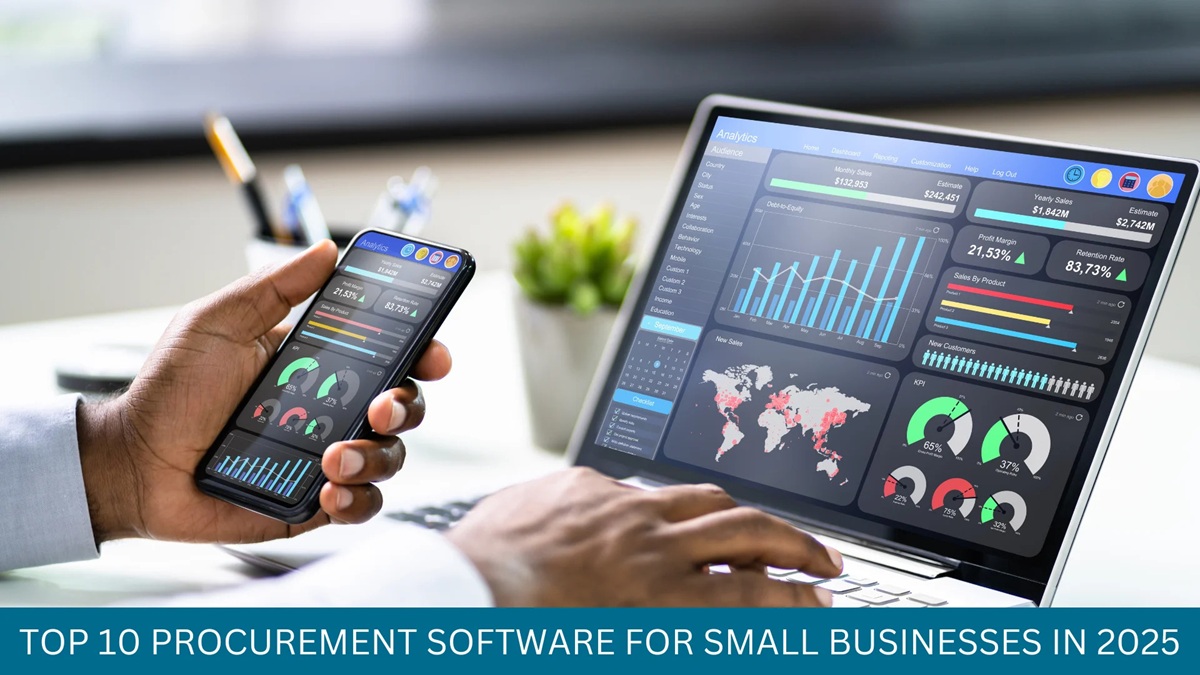
- Generate procurement dashboards
- Track savings over time
Automation is particularly useful when supplier names appear in multiple formats.
For example, the following names may all refer to the same supplier:
- ABC Technologies Pvt. Ltd.
- ABC Technology
- ABC Tech Pvt Ltd
Without data cleansing, these transactions may appear to belong to separate suppliers. Analytics tools can standardize the information and provide a more accurate view of total spending.
Artificial intelligence and machine learning can further improve spend analysis by identifying patterns, anomalies, and classification errors across large datasets.
However, technology alone is not enough. The quality of the results depends on the quality of the underlying data and the procurement strategy used to act on the findings.
A Simple Process for Conducting Spend Analysis
Businesses can approach spend analysis through a structured process.
Step 1: Collect Procurement Data
Gather spending information from all relevant systems and departments.
The objective is to create the most complete possible picture of organizational expenditure.
Step 2: Clean and Standardize the Data
Remove duplicate records and standardize supplier names, product descriptions, units of measurement, and currencies.
Poor-quality data can produce misleading conclusions, so this stage is critical.
Step 3: Categorize Spending
Group purchases into meaningful categories.
This allows procurement managers to compare spending across suppliers and identify high-value categories.
Step 4: Analyze Supplier and Category Spending
Identify the largest suppliers, highest-spend categories, price variations, and unusual purchasing patterns.
Step 5: Identify Savings Opportunities
Prioritize opportunities based on their potential financial impact and ease of implementation.
Possible actions may include supplier consolidation, contract renegotiation, demand reduction, process automation, or improved purchasing compliance.
Step 6: Implement Changes and Track Results
Spend analysis should not end with a report.
Businesses should measure whether procurement initiatives actually produce savings and continue monitoring spending patterns.
Regular analysis ensures that savings are maintained over time.
Final Thoughts
Spend analysis is one of the most effective tools businesses can use to reduce procurement costs.
It provides visibility into where money is being spent, which suppliers are receiving the largest share of expenditure, and where inefficiencies are increasing costs. More importantly, it helps procurement professionals move from reactive purchasing decisions to data-driven cost management.
Through spend analysis, businesses can identify duplicate purchases, consolidate suppliers, negotiate better contracts, reduce maverick spending, control tail spend, and improve compliance.
The financial benefits can be significant, but the value goes beyond immediate cost savings. Better spending visibility also improves budgeting, supplier management, forecasting, and procurement strategy.
The key is to treat spend analysis as an ongoing process rather than a one-time project. Spending patterns change, supplier prices fluctuate, and business requirements evolve. Regular analysis allows organizations to identify new opportunities and prevent unnecessary costs from returning.
For businesses looking to strengthen their procurement function, the first step is simple: understand exactly where the money is going. Once spending becomes visible, opportunities to reduce costs become much easier to find and act on.